
Subscribe and receive email notifications of new blog posts.
 RSS Feed
- 2026 | 42 Posts
- 2025 | 52 Posts
- 2024 | 47 Posts
- 2023 | 45 Posts
- 2022 | 50 Posts
- 2021 | 54 Posts
- 2020 | 49 Posts
- 2019 | 39 Posts
- 2018 | 30 Posts
16
Buyers: How to Evaluate Neighborhood Value Beyond the Listing Price
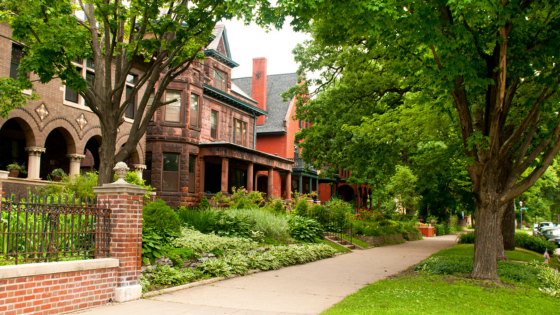
When you begin your house hunt in the Twin Cities, keep in mind that the asking price doesn't tell the whole story. If you're checking out Alexandria homes for sale or Arden Hills homes on the market, understanding what makes a neighborhood valuable can help you make a smarter long-term investment.
What Gives a Neighborhood Worth Beyond Its Price Tag
A neighborhood's real value goes beyond the price you pay for a home. Smart buyers know that where you live affects both your home's future worth and how much you'll like living there. Researching these aspects before you put in an offer can lead to financial and personal benefits down the road.
Housing Stock, Lot Size, and Neighborhood Character
The types of houses and plots in an area have a big impact on long-term value and everyday livability. Across the Twin Cities, housing stock varies widely, affecting everything from maintenance needs to future resale appeal. In St. Paul, historic homes are a key feature of many areas along Summit Avenue, where well-preserved architecture adds lasting charm and status. These houses often feature unique craftsmanship, old trees and plants, and a strong identity that keeps attracting long-term buyers.
- How old and what style are the houses nearby
- How big are the lots, how far back do houses sit, and how much usable outdoor space is there
- The mix of restored old houses and updated interiors
- The blend of single-family homes, townhouses, and smaller apartment buildings
Areas with a distinct look and well-kept old houses often see steady demand and more stable value over time.
How Close Are Job Centers and How Long Are Commutes
Your daily trip to work can affect your stress and your wallet. Homes near major job hubs in the Twin Cities can be worth more even if they cost more to buy. Think about these things when it comes to commuting:
- How far do you need to travel to your current job and possible future workplaces
- How close are major highways and public transport
- How long does it take to get to work during rush hour
- Whether there are park-and-ride spots close by
Community Amenities and Green Spaces
Minnesotans love to spend time outdoors, and neighborhoods with nice parks and recreation spots often cost more. Living near a lake or in a city with walking paths can make your life better and boost your investment. When you check out neighborhoods, look for these things:
- Clean, well-kept parks you can walk to
- Community centers with activities for people of all ages
- Networks of trails for biking, walking, and cross-country skiing
- How close you are to lakes, rivers, or protected natural areas
Future Development and Zoning Plans
Changes in your area over the next five to 10 years can affect your investment. New shops or projects can boost or reduce home prices, based on their type and location. Contact local planning offices to learn about upcoming work, zoning shifts, and long-range plans that might influence your new home.
Neighborhood Pride and Maintenance Standards
Check out the area you like at various times on different days. Notice if homeowners maintain their lawns, houses, and the overall area. Well-kept neighborhoods often show that people care about their community and want to maintain strong property values.
Local Business Health and Walkability
A neighborhood with thriving local businesses indicates economic health and enhances convenience. Consider if you can easily access coffee shops, restaurants, grocery stores, or gyms. Areas near a variety of businesses often see home values increase and attract more buyers when it's time to sell.
Find the Right Neighborhood Around the Twin Cities
Call today, and we can help you assess neighborhood value in communities across the Twin Cities area. Our team understands the local market and will work with you to find a home that matches your lifestyle and investment goals.
By searching Listing Data you agree to this End User License Agreement
Copyright 2026 Regional Multiple Listing Service of Minnesota, Inc. All rights reserved.
Terms of Use
Agency License Information: Counselor Realty, Inc. is licensed in Minnesota and Wisconsin; Counselor Realty, Inc. of Alexandria is licensed in Minnesota; Counselor Realty Detroit Lakes, LLC is licensed in Minnesota; Counselor Realty of Rochester is licensed in Minnesota; Counselor Realty of Victoria, LLC is licensed in Minnesota; Counselor Realty of Brainerd is licensed in Minnesota.
Disclaimer: All information deemed reliable but not guaranteed. All properties are subject to prior sale, change or withdrawal. Neither listing broker(s) or information provider(s) shall be responsible for any typographical errors, misinformation, misprints and shall be held totally harmless. Listing(s) information is provided for consumers personal, non-commercial use and may not be used for any purpose other than to identify prospective properties consumers may be interested in purchasing. Information on this site was last updated 09/12/2026. The listing information on this page last changed on 09/12/2026. The data relating to real estate for sale on this website comes in part from the Internet Data Exchange program of Delta Media Group MLS (last updated Sat 09/12/2026 12:06:37 PM EST) or RMLS-MN MLS (last updated Sat 09/12/2026 12:02:40 PM EST). Real estate listings held by brokerage firms other than Counselor Realty may be marked with the Internet Data Exchange logo and detailed information about those properties will include the name of the listing broker(s) when required by the MLS. All rights reserved.
Privacy Policy / DMCA Notice / ADA Accessibility


